Cart 0
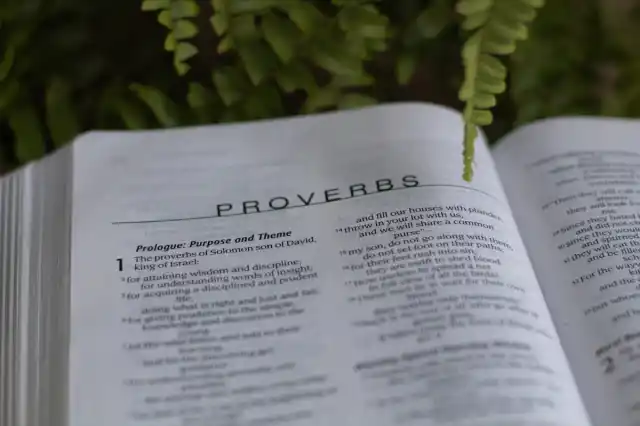

The Wisdom of Our Words
Main Texts: Proverbs 10:19–21; Proverbs 12:18; Proverbs 15:1–4; Proverbs 18:21; James 3:1–12; Ephesians 4:29
“Death and life are in the power of the tongue.” — Proverbs 18:21
Introduction
Words are small, but they carry enormous power.
A sentence can encourage someone who is ready to give up.
A sentence can destroy someone’s confidence.
A word can restore a relationship.
A word can deepen a wound.
A conversation can solve a problem.
Another conversation can create one.
This is why Proverbs has so much to say about speech.
Walking in wisdom means learning not only what to say, but also when to say it, how to say it, and when to remain silent.
1. Wisdom Knows When to Speak
Proverbs 10:19 says:
“In the multitude of words there wanteth not sin: but he that refraineth his lips is wise.”
Not every thought needs to become a sentence.
Not every sentence needs to become a public announcement.
Not every disagreement needs to become an argument.
Not every offense needs to be broadcast.
Wisdom understands restraint.
Sometimes the strongest response is silence.
2. Wisdom Knows How to Respond
Proverbs 15:1 says:
“A soft answer turneth away wrath: but grievous words stir up anger.”
Imagine someone speaks harshly to you.
Your natural reaction may be to answer with equal force.
They raise their voice.
You raise yours.
They become aggressive.
You become more aggressive.
Soon the original issue disappears beneath layers of anger.
But wisdom interrupts the cycle.
A gentle answer does not mean weakness.
It means self-control.
Jesus demonstrated this repeatedly.
He did not allow hostile people to control His spirit.
3. Words Can Heal
Proverbs 12:18 says:
“The tongue of the wise is health.”
Some people have a ministry they do not recognize: the ministry of encouragement.
They speak life.
They remind people of God’s faithfulness.
They strengthen the discouraged.
They correct without humiliating.
They tell the truth without cruelty.
Ephesians 4:29 says our words should give grace to those who hear.
Imagine if every Christian treated speech as a spiritual responsibility.
Imagine if before posting, commenting, criticizing, or speaking, we asked:
“Will these words reflect Christ?”
4. Wisdom Avoids Gossip
Gossip can disguise itself as concern.
“I am only telling you so that you can pray.”
Sometimes prayer requests become opportunities to spread information that should never have been shared.
Proverbs 16:28 says:
“A froward man soweth strife: and a whisperer separateth chief friends.”
Gossip divides.
It damages trust.
It can destroy reputations.
It creates suspicion.
Wisdom asks:
Is this information mine to share?
If the answer is no, silence may be the most godly response.
5. Wisdom Controls Anger
Proverbs 14:29 says:
“He that is slow to wrath is of great understanding.”
Anger itself is not always sinful.
But uncontrolled anger can lead us into sinful words and actions.
James 1:19–20 says:
“Let every man be swift to hear, slow to speak, slow to wrath.”
Notice the order:
Hear.
Slow down.
Then speak.
That is wisdom.
Biblical Illustration: Abigail
In 1 Samuel 25, David became angry with Nabal and was prepared to respond violently.
Abigail intervened with wisdom.
Her words helped prevent bloodshed.
She did not respond with arrogance.
She approached David respectfully and spoke wisely.
Her intervention demonstrates the power of wise speech during a volatile moment.
One wise conversation can prevent enormous destruction.
6. Social Media Is Also a Place for Christian Speech
The biblical principles of speech apply online.
A keyboard does not cancel Christian character.
If something would be sinful to say face-to-face, hiding behind a screen does not make it righteous.
Christians must be careful with:
- insults,
- mockery,
- gossip,
- public shaming,
- unnecessary arguments,
- false accusations,
- exaggerated claims,
- angry comments,
- careless sharing.
The question is not:
“Can I say this?”
The better question is:
“Should I say this?”
And even more importantly:
“Does this represent Christ?”
Practical Application
Before speaking, ask:
- Is it true?
- Is it necessary?
- Is it loving?
- Is this the right time?
- Is this the right person to tell?
- Will my words build or destroy?
- Would I say this if Jesus were physically standing beside me?
Reflection
This week, deliberately practice speaking fewer careless words and more intentional words.
Encourage someone.
Apologize where necessary.
Stop repeating gossip.
Refuse to participate in destructive conversations.
Ask God to make your mouth an instrument of grace.
A wise Christian does not merely have something to say; a wise Christian knows what should be said.